
PARIS · FOUNDED 2009 · HAUTE COUTURE APPELLATION
Julien Fournié, a Haute Couture House in Paris
One of a small circle of houses authorised by the French State to use the words "haute couture". Nothing is cut before your measurements are taken.
Who is Julien Fournié?
Julien Fournié is a French couturier and the founder of Maison Julien Fournié, a haute couture house established in Paris in 2009. In January 2017 the house was granted the Haute Couture appellation, a title protected by French law and held by only a small number of houses at any one time. The Maison shows two collections a year during Paris Haute Couture Week and makes every garment to order, to a single client’s measurements.
2017
Haute Couture appellation granted
2
A maximum of two collections per year, on the official Paris calendar
100%
Made to order — no stock, no standard sizes
3–5
Fittings for a couture gown
800 m
Of tulle in a single Last Queen underskirt
What the Haute Couture appellation actually means
"Haute couture" is not a style, a price bracket or a marketing term. In France it is a designation protected by law and granted each year by a commission working with the Fédération de la Haute Couture et de la Mode, under the authority of the French Ministry of Industry.
To be granted the appellation, a house must, among other conditions:
- run an atelier in Paris employing a permanent team of specialist workers;
- present a collection to the press twice a year, in January and July, comprising a set minimum of looks for daywear and evening;
- make garments to order for private clients, with personal fittings.
The list is reviewed season by season, which is why it changes: houses join it, and houses leave it. Fewer than a dozen names hold the appellation at any given moment. Julien Fournié has held it since January 2017.
The couturier
Julien Fournié trained at the École de la Chambre Syndicale de la Couture Parisienne, choosing its technical discipline over a place at the ESAA Duperré. He learned the trade inside the houses that defined it: Christian Dior, Givenchy under Alexander McQueen, Nina Ricci, Céline.
In 2000 his graduate collection won the Moët & Chandon prize for best accessory at the Paris Fashion Awards. Jean Paul Gaultier hired him into his haute couture studio, where he researched fabrics and embroidery and worked on stage costumes for Madonna’s Drowned World Tour. Claude Montana, the master of architectural cut, took him on next.
By 2003 he was creative director of Torrente, first for ready-to-wear, then for the entire house including its couture line. Three years later he moved to Seoul as creative director of several brands for the LG Fashion Group — an early education in the Asian luxury market that still shapes how the Maison works today.
He founded his own house in 2009, around one conviction: that Parisian couture survives only if its craftsmanship is matched by genuine innovation.
In January 2010 the Ville de Paris awarded him its Grand Prix de la Création.
In January 2011, for his debut on the official Haute Couture calendar, he featured only Black models on the runway—a first.
The people behind the Maison
A haute couture house is its people. Jean Paul Cauvin, a fashion writer and editor, has overseen production, casting and the soundtrack of every show since the first; he has been the company's Chief Operating Officer since 2013. Madame Jacqueline, première d'atelier, and the make-up artist Nicolas Degennes have worked with Julien Fournié from the beginning. Since 2014 the London salon Neville, led by Elena Lavagni, has done the hair for every show and every shoot.
The pieces are made with ateliers the Maison has worked with for years: the feather atelier Maison Julien Vermeulen, the embroidery house Amman, and the houses Guigou and Sfate et Combier, alongside YKK. The late Maria Luisa Poumaillou, the buyer who made careers, advised the house in its early years.
The Maison abroad
From its earliest seasons the Maison has shown outside France. It has presented three times in Singapore. In November 2012 First Retrospective was staged in the Hall of Honour of Stockholm City Hall. In October 2015 First Initiation opened the second edition of Vietnam International Fashion Week in Ho Chi Minh City, and in June 2025 First Circus opened it again. In October 2018 the house took part in the French Touch gala at the Teatr Wielki in Warsaw, broadcast on Polish national television.
Couture and 3D design
In 2011 Julien Fournié co-founded FashionLab with Dassault Systèmes, an incubator for 3D design in fashion. Shoe collections developed with those tools have appeared on every runway since July 2014 and are made for couture clients as special orders. Tim Cook visited the atelier in 2015. The Maison designs with its clients rather than for them: a piece is often drawn live on iPad, with the client, wherever they are in the world.
The house is founded
The house is founded. Julien Fournié establishes his own house in Paris, on a market the large groups had left behind and younger labels had ignored. His debut collection, First Pieces, is shown in June 2009.
Guest member of the official calendar
Guest member of the official calendar. With his fourth collection, in January 2011, Julien Fournié joins the official haute couture calendar as a guest member. He shows it with an all-Black cast of models — a first on the Paris couture calendar.
FashionLab, with Dassault Systèmes
Co-founded to explore 3D design in couture. The Maison becomes one of the few to draw, drape and fit digitally.
The Haute Couture appellation
In January the French Ministry of Industry grants the house the appellation, on the recommendation of the Chambre Syndicale.
Bags and accessories
The handbags first seen on the runway, until then reserved for couture clients, are offered through the Maison’s own boutique.
First retrospective.
SCAD Lacoste stages the first retrospective of the couturier's work, Haute Couture, un point c'est tout.
The Musée Grévin
A Julien Fournié gown worn by Audrey Fleurot enters the collection of the Musée Grévin in Paris.
First Misfits
This collection is shown on 27 January at Salle Gaveau, Paris.
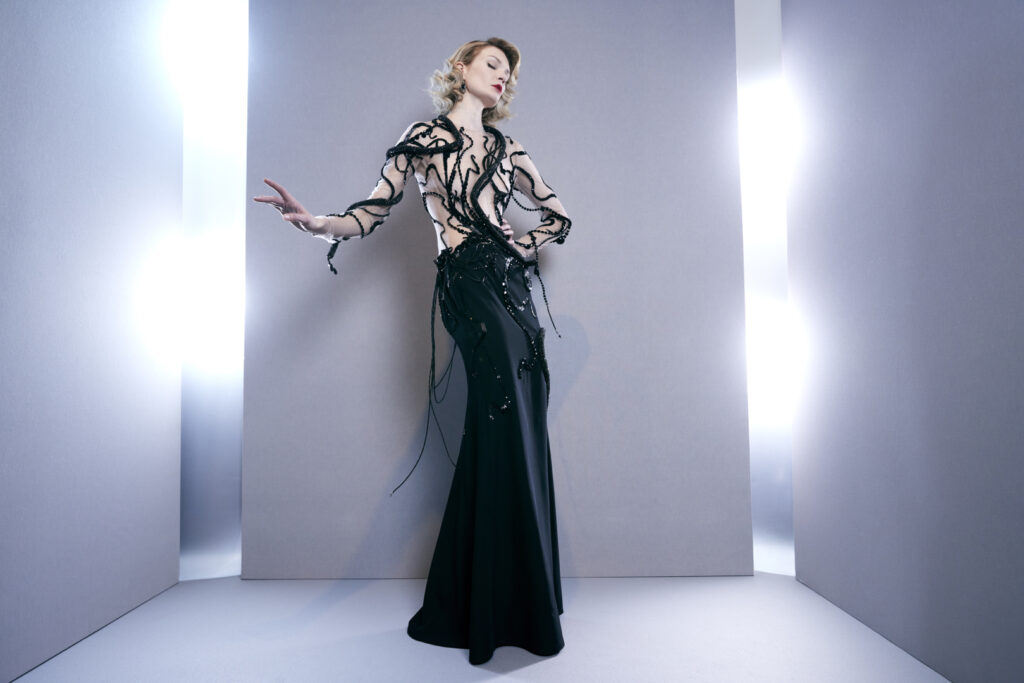
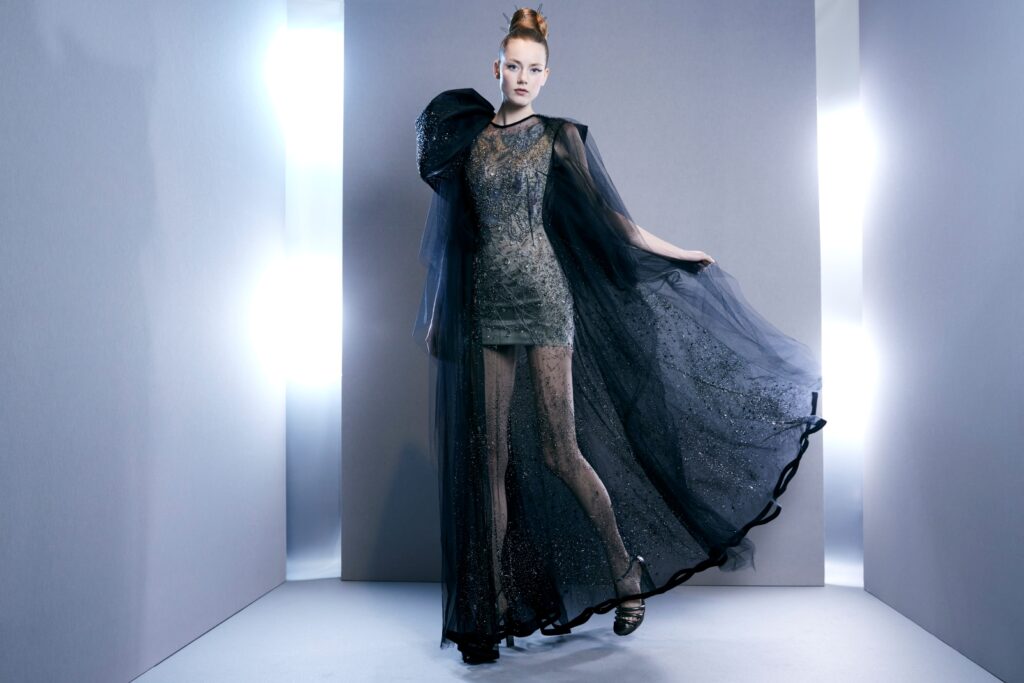
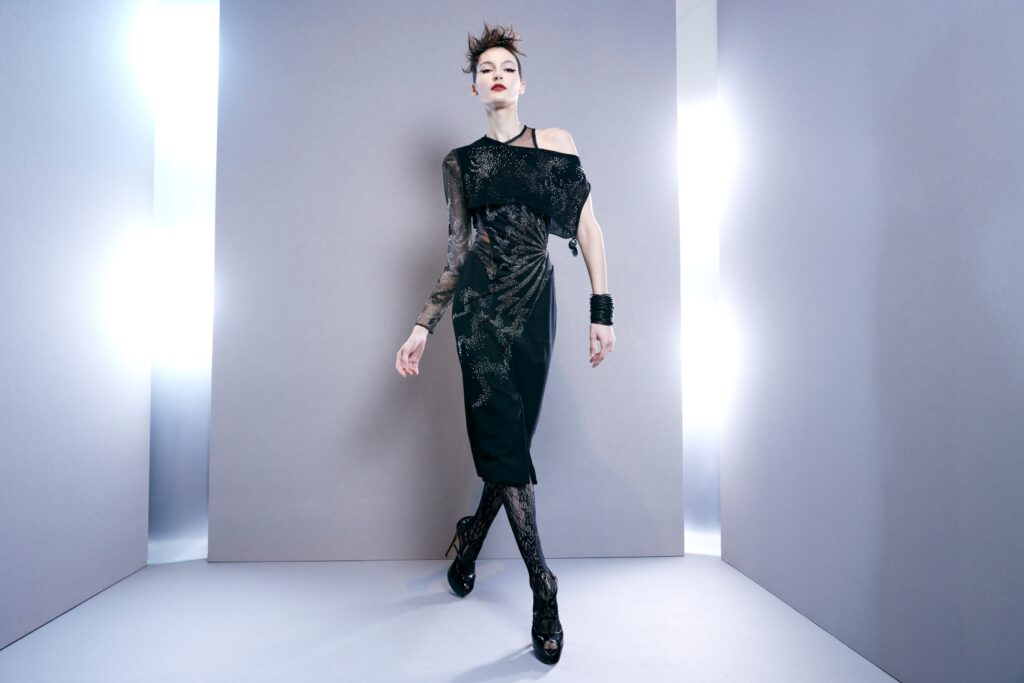
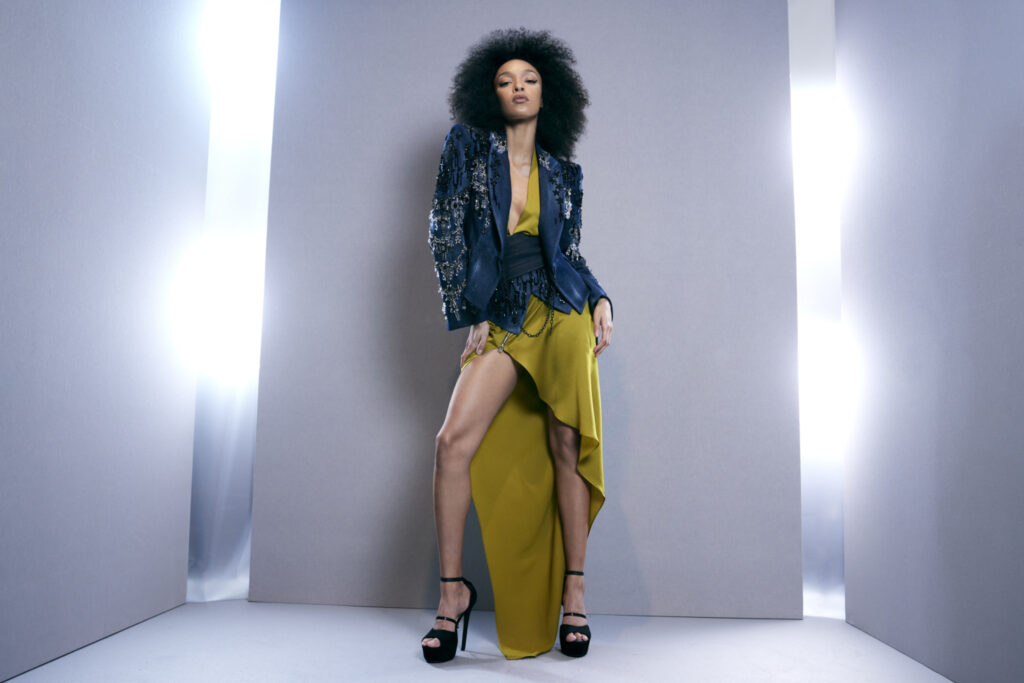
Made-to-measure creations
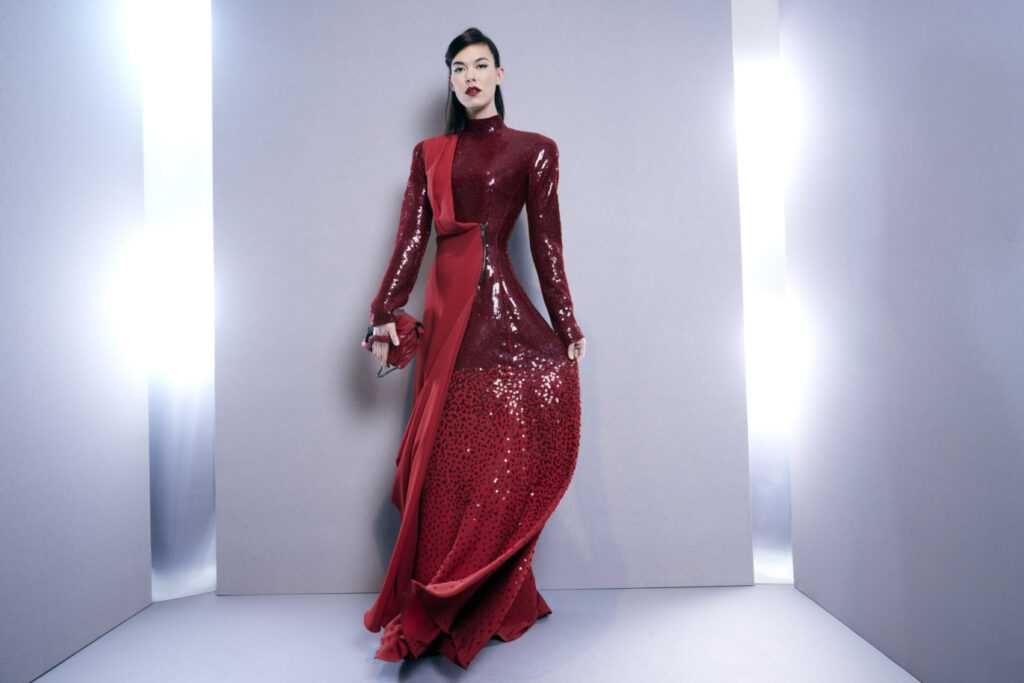
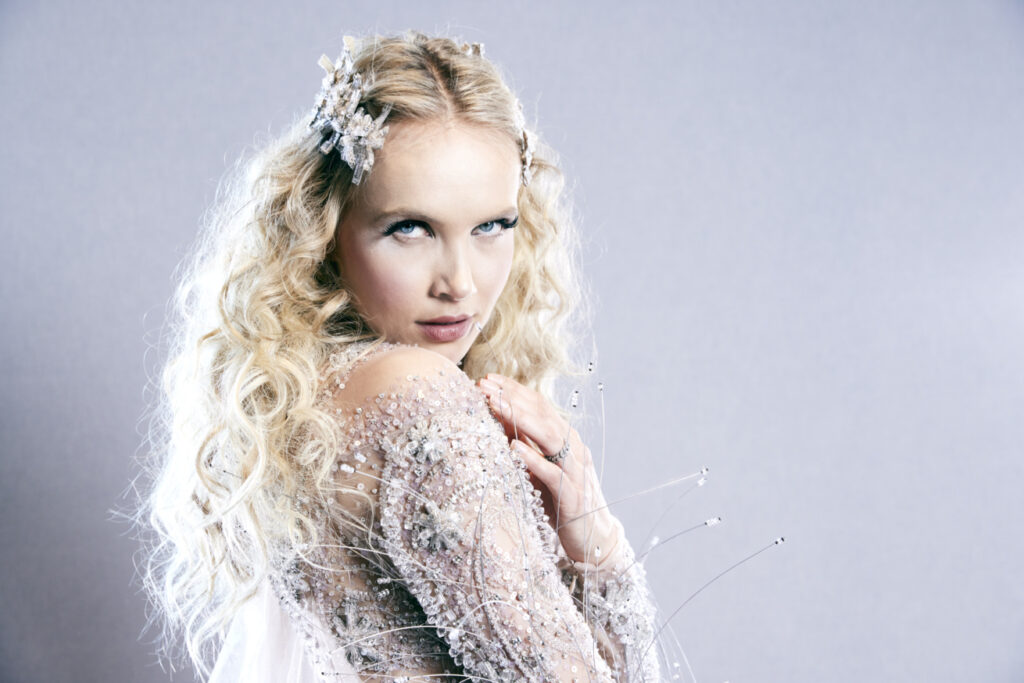
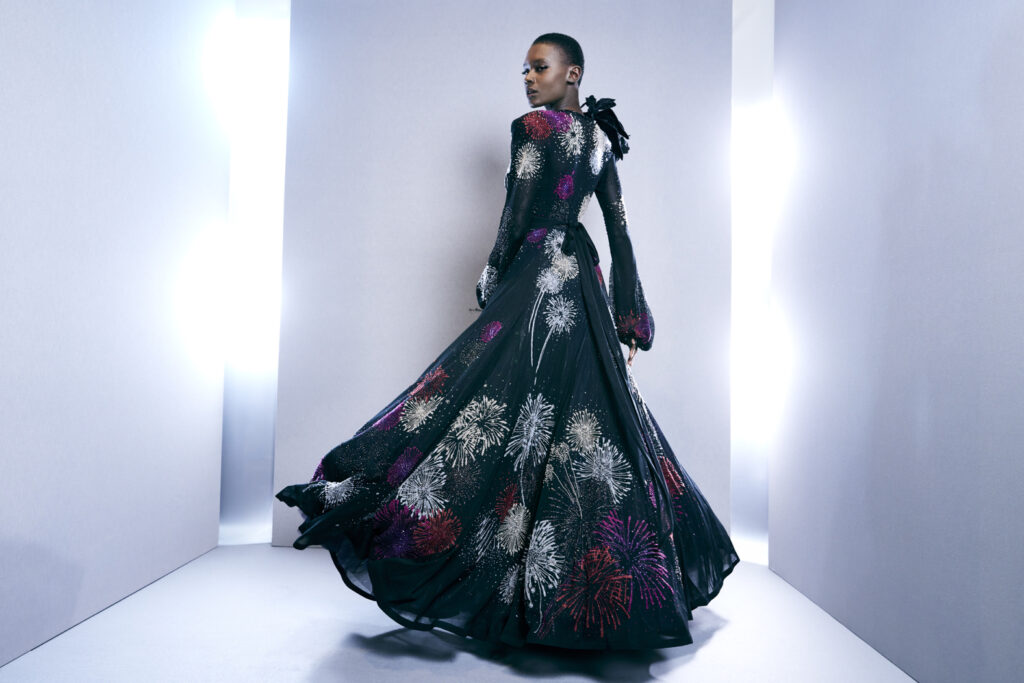
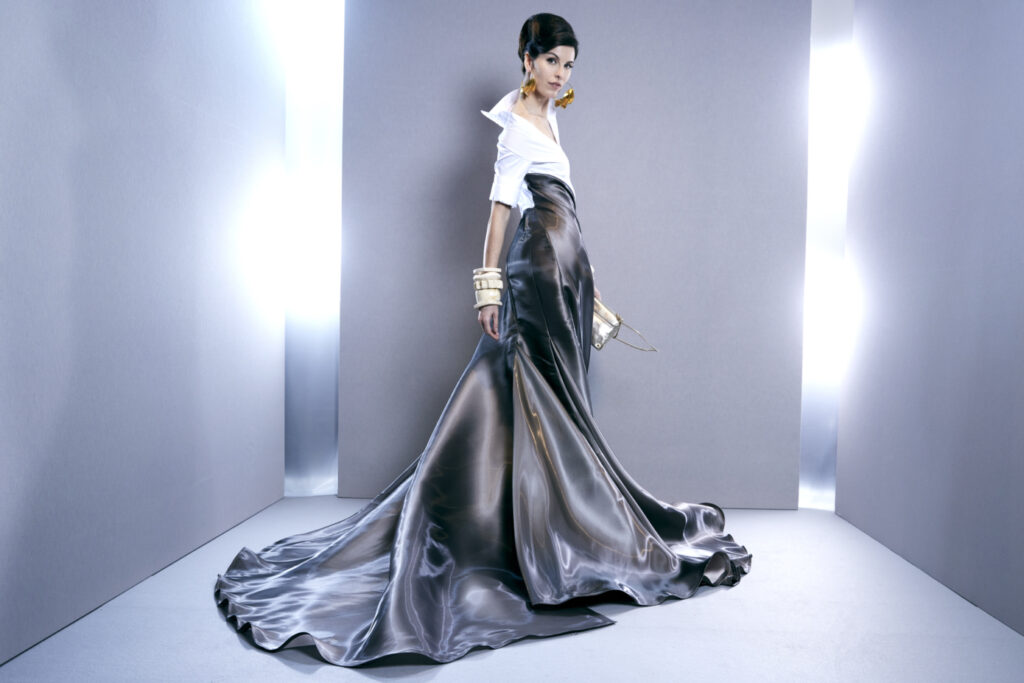
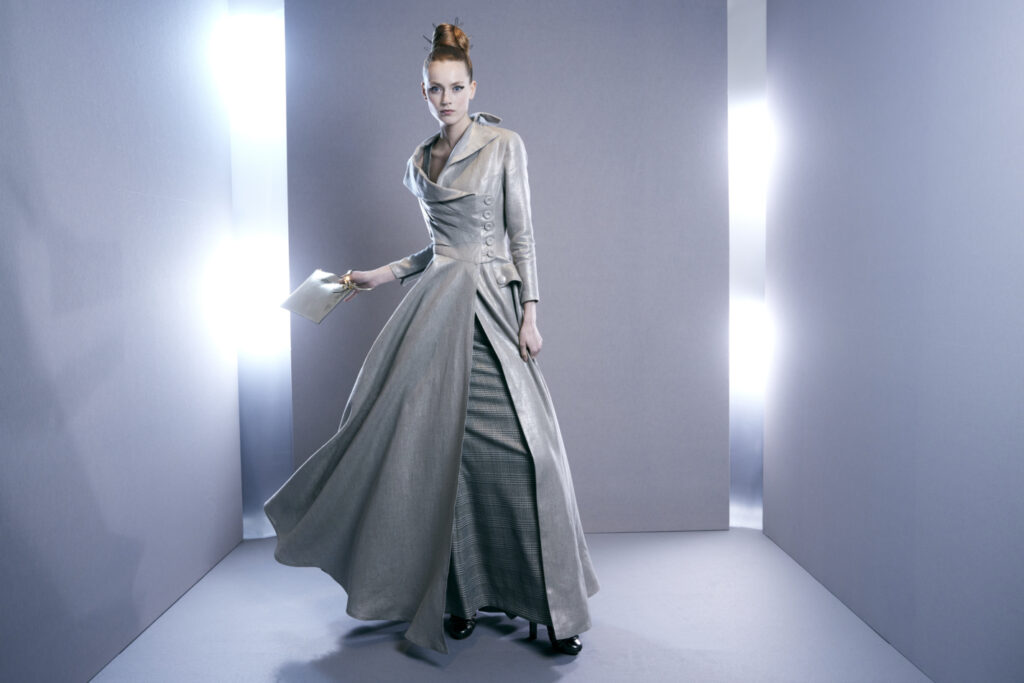
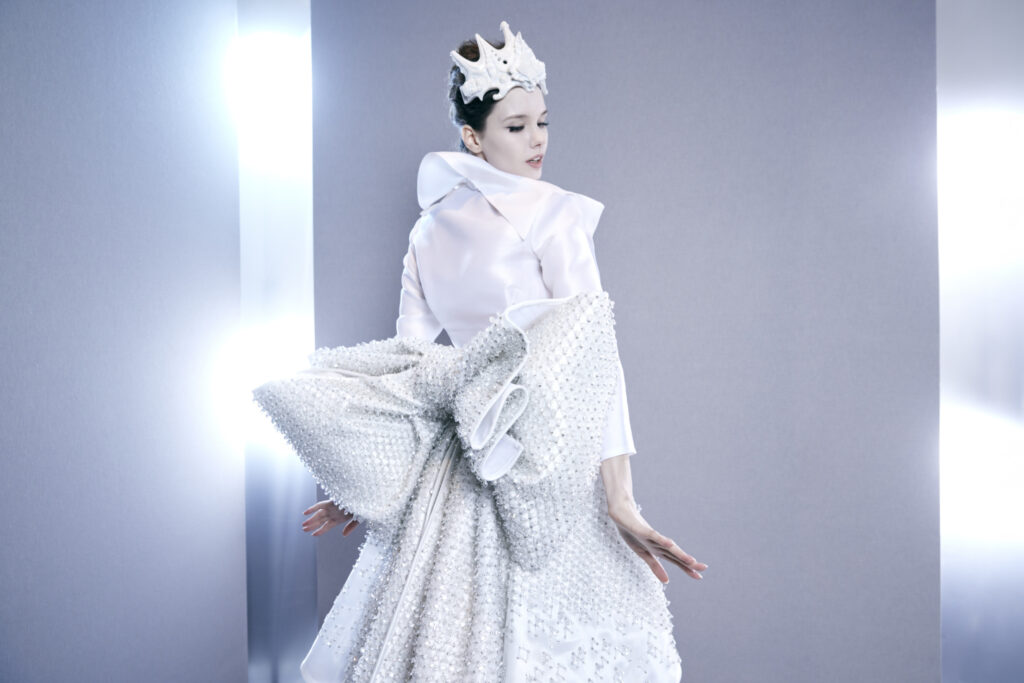
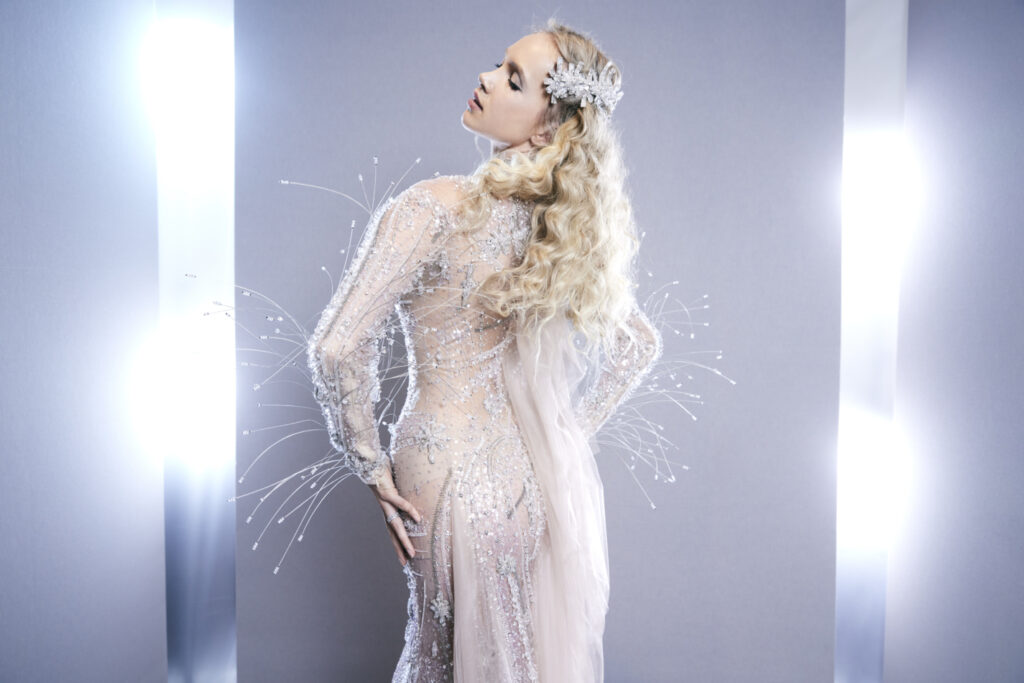
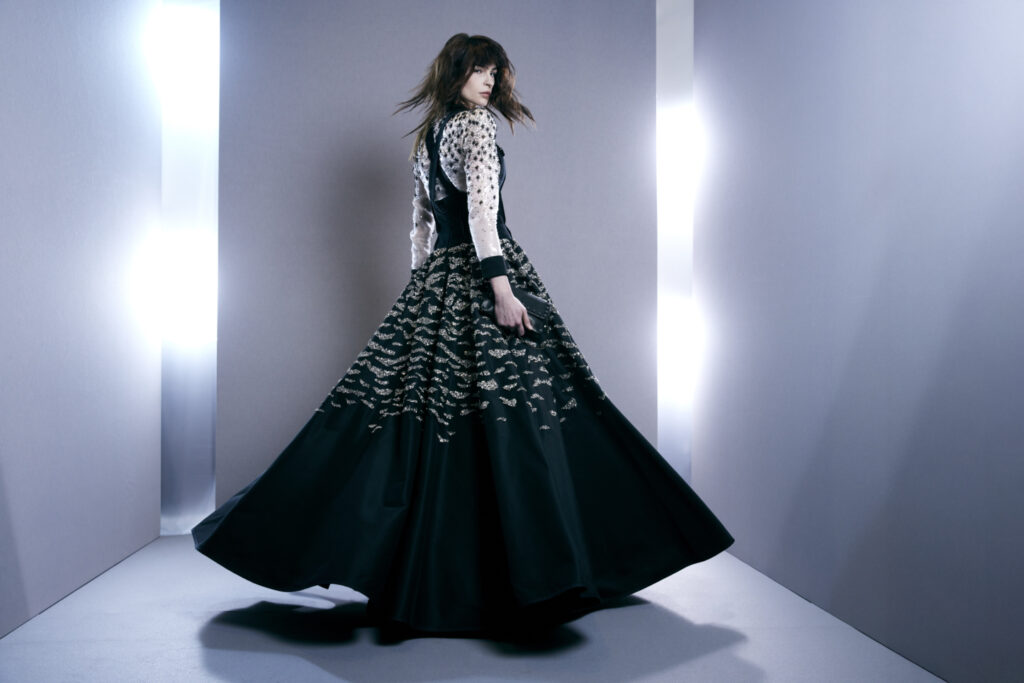
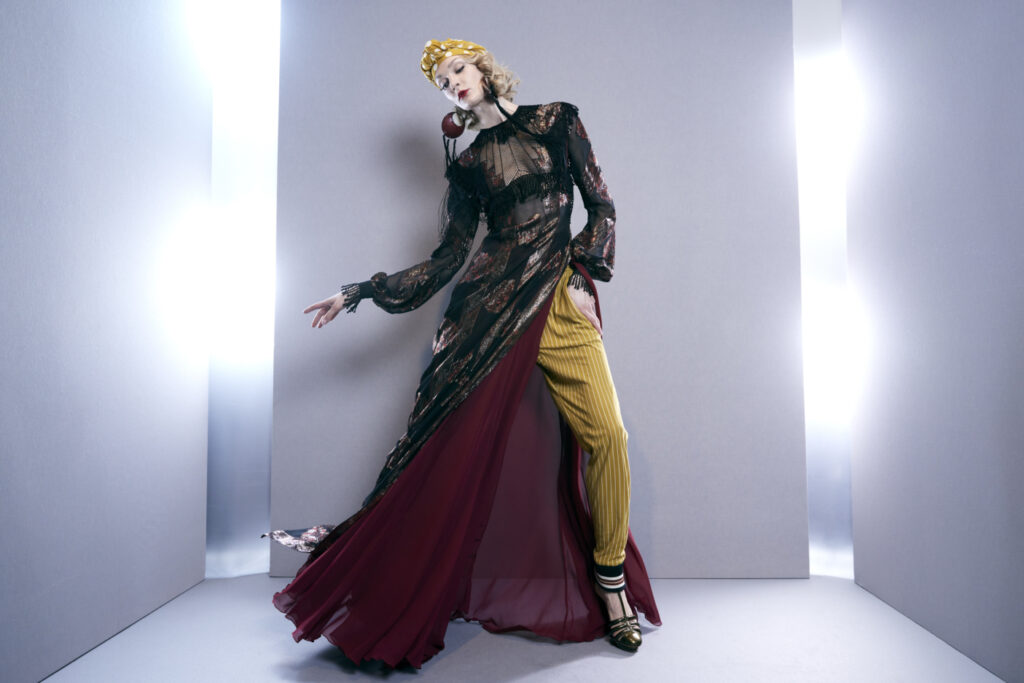
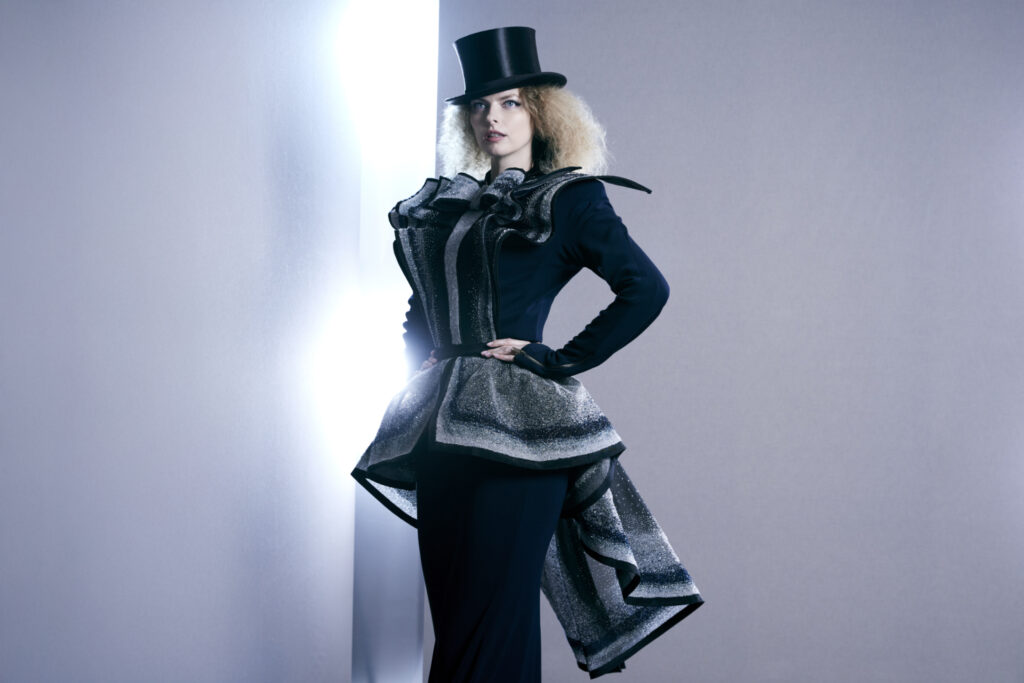
Imagine a dress designed especially for you, taking into account your desires and your silhouette. As with all true Haute Couture houses, at Julien Fournié every garment is made to order, guaranteeing a piece that perfectly resembles you. You're not just wearing a dress, you're wearing a work of art.
With a particular focus on the environment, Julien Fournié favors the use of natural, handcrafted materials. This means that not only are you choosing unparalleled style, but you're also contributing to more sustainable fashion.
Unique style for every occasion
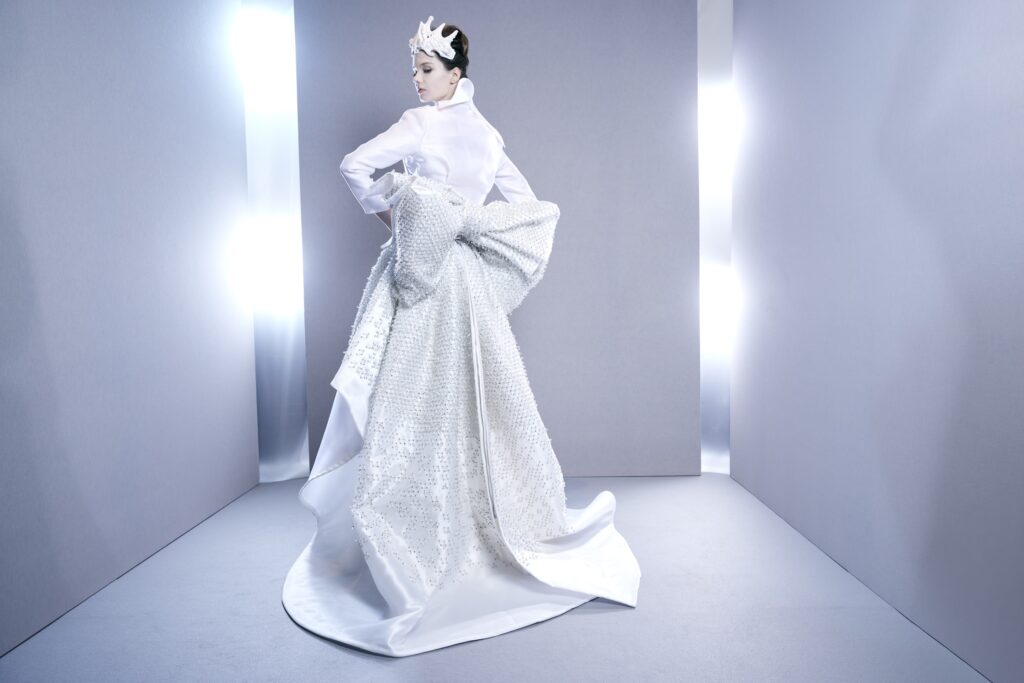
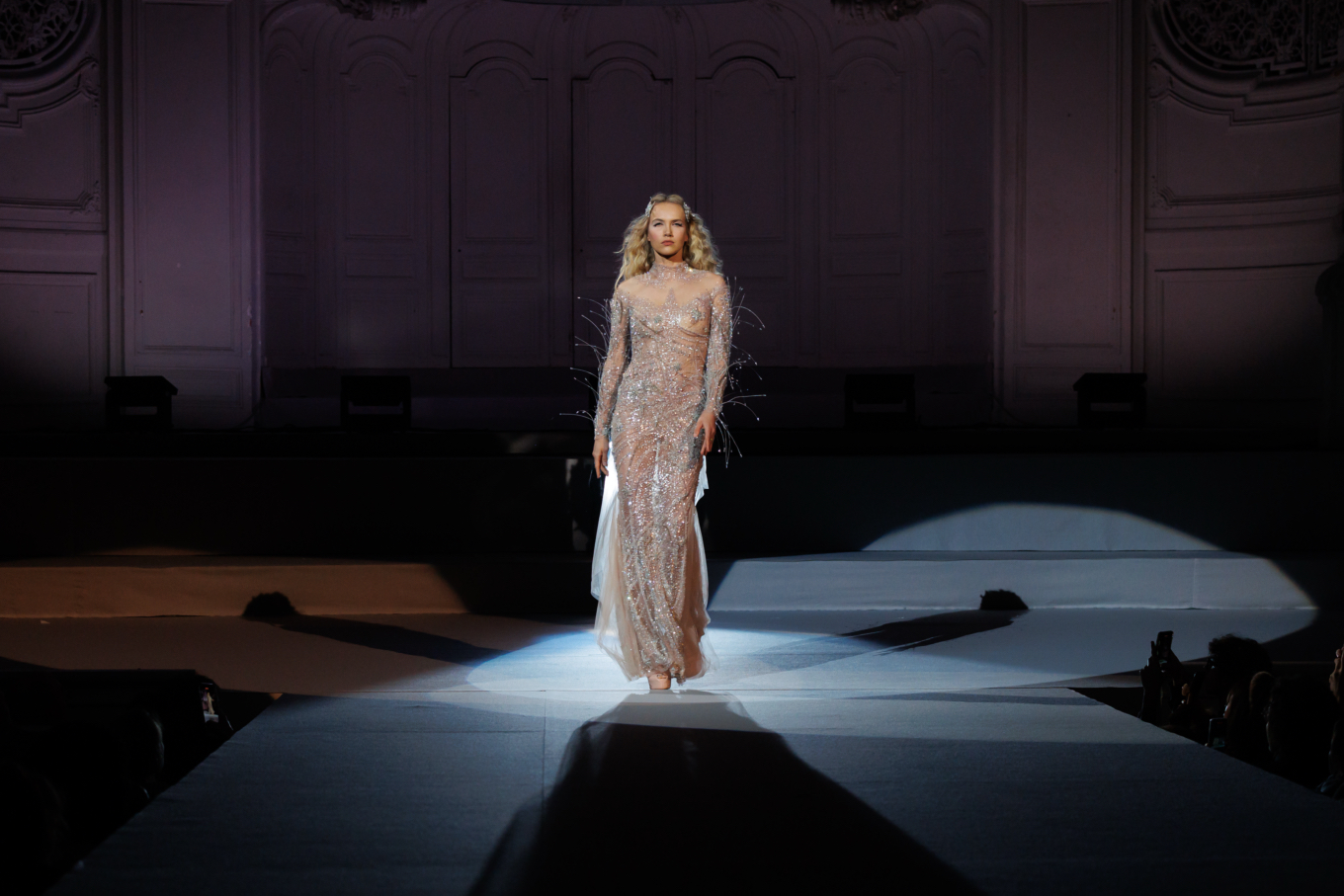
Whether for a gala, a wedding or a special evening, Julien Fournié dresses are designed to turn heads. Imagine yourself in a delicate tulle gown, like the “Last Queen” collection, where every layer of fabric dances with you, creating a stunning visual effect.
Each creation is the result of exceptional craftsmanship, preserving the intelligence of the hand and the mind. Haute Couture houses, like Julien Fournié's, don't just follow trends; they create them, combining aesthetics and textile engineering.
A piece made for one person
A Julien Fournié garment is drawn for one body and one occasion. Nothing is cut before your measurements are taken, and no two commissions are alike — which is why the house holds no stock and produces nothing speculatively. A gown for a gala, a wedding or an evening is built around how you move and what you will actually wear.
The construction is where the work shows. The Last Queen underskirt takes eight hundred metres of tulle, layer over layer, so that the whole silhouette moves with the wearer rather than against her. Natural fibres are preferred wherever the construction allows. See how a haute couture dress is made →
How a Julien Fournié piece is made
Six stages, and no shortcuts. Most commissions run from first appointment to delivery in 4 to 25 weeks, depending on embroidery.
- The conversation. An hour or two, in Paris or wherever you are. What the piece is for, how you move, what you will never wear. No sketch yet.
- The drawing. A single proposal, not a catalogue. Revised with you until it is right. The Maison works digitally as well as on paper, so you can see the piece in three dimensions before a metre of fabric is cut.
- The toile. A full mock-up in plain cotton, built to your measurements. This is where the architecture of the garment is decided.
- The first fitting. The toile is fitted on you and corrected on the body. Nothing is cut in the final cloth before this stage is signed off.
- The atelier. Cutting, hand-assembly, embroidery. Specialist work — feather, marble, metalwork — is commissioned from the ateliers the Maison has worked with for years.
- Final fittings and delivery. Two further fittings as a rule. The finished piece is delivered by hand, with its garment record and care instructions.
How to commission a Julien Fournié Haute Couture piece
Private appointments in your city. The Maison travels for fittings to the Gulf, to East and Southeast Asia and to North America, among other destinations.
Appointments outside show weeks. Commissions are taken all year, not only in January and July.
Digital sketches. The Maison draws digitally as well as on paper. It shortens the process and reduces the number of journeys required. Traditional sketches — pencil, ink, watercolour — remain available on request, and take longer.
Discretion. Private commissions are never photographed or published without written consent. Confidentiality can be formalised on request.
Delivery and formalities. Special delivery worldwide, with export documentation and customs handled by the Maison at your request.
Languages. Appointments are held in French and English; other languages on request.
[Request a private appointment] · [Explore the boutique] · [Subscribe to the newsletter]
First Misfits — Haute Couture Collection
Shown on 27 January 2026 at Salle Gaveau in Paris, First Misfits argues against the flattening of contemporary fashion. Couture, in this collection, is where difference is allowed to be visible.
Men and women exchange pieces from each other’s wardrobes. Silk sits next to denim, technical cloth next to lurex, with no hierarchy between them. The embroidery borrows from street art, manga and genre cinema rather than from the Second Empire. For the bridal pieces, the sculptor André Tognotti carved Carrara marble into crowns and bodice cups.
The collection is personal: Fournié has spoken about being bullied as a child for being different. First Misfits is the answer.
Beyond the runway: bags, belts and jewellery
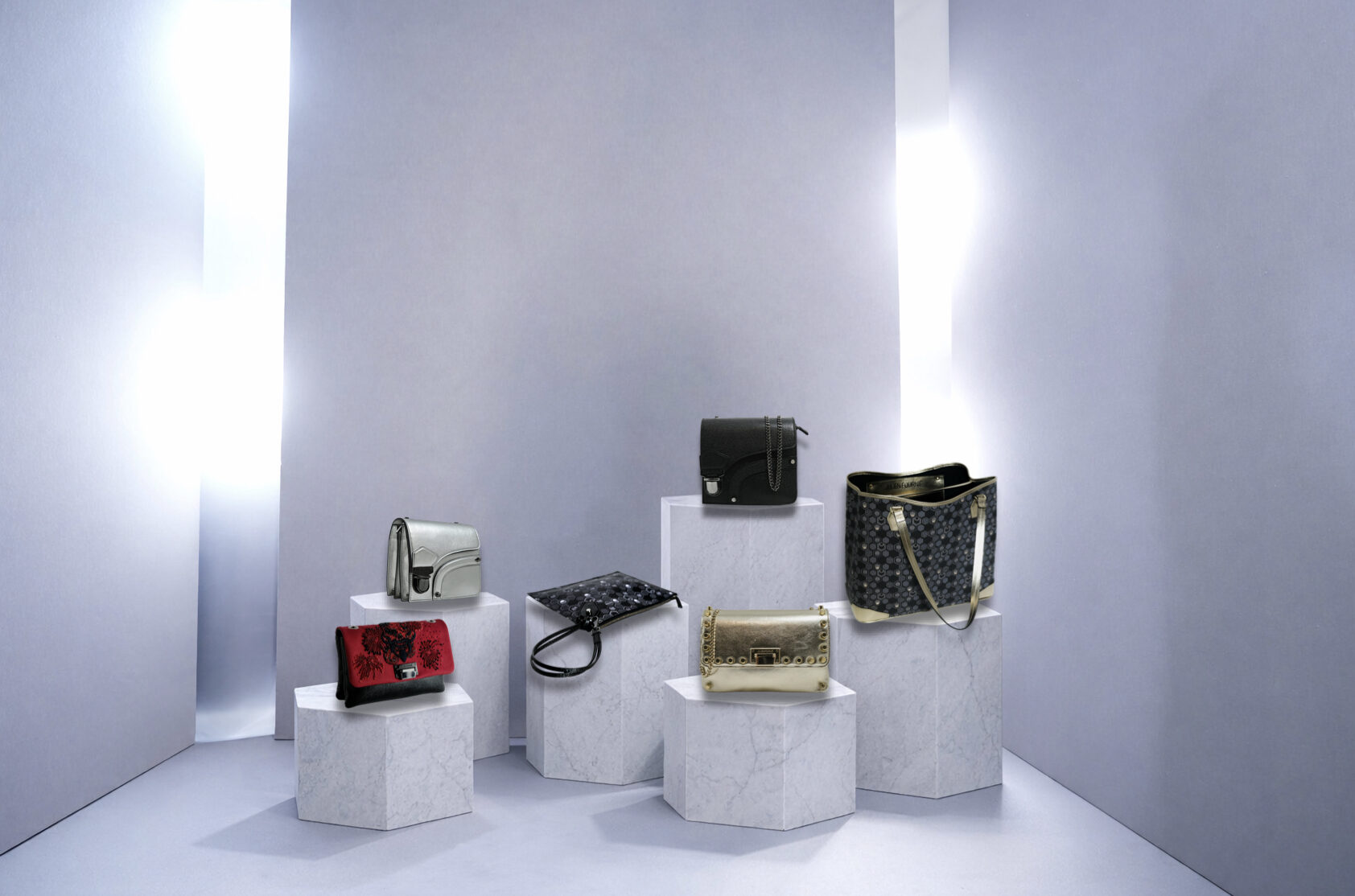
Since December 2020 the Maison has made a line of bags and accessories. It began with the handbags carried on the runway, which couture clients had been asking to buy for years.
The line has since grown: Big Bang and Premier handbags, Pluton clutches, Pollux and Saturne totes, the Hexagon monogram line, haute couture belts and, since 2022, jewellery. Each piece is made to the standards of French leather craft, in limited numbers.
They are sold only through the Maison’s own online boutique.
Made to order, and only to order
The Maison holds no stock and produces nothing speculatively. A garment exists because someone ordered it. That is not a sustainability policy borrowed from ready-to-wear; it is simply how couture works, and it is the reason couture wastes so little.
Materials are traced: the Maison maintains a record of the origin and production conditions of its fabrics, leathers and embroideries. Natural fibres are preferred where the construction allows. Offcuts are kept and reused in accessories and in the studio’s development work.
A couture garment is also, by design, repairable. Seams are hand-finished so they can be opened; allowances are left in so the piece can be altered years later. The Maison alters and restores its own pieces for as long as they are worn.